
Vehicle Warning Signs Mooresville, North Carolina Drivers Should Not Ignore

October9

Table of Contents

  • Warning Signs Drivers Often Miss
  • Understanding Dashboard Warning Lights
  • What Unusual Sounds Can Mean
  • Why Smells and Leaks Matter
  • Changes in Handling and Performance
  • When to Stop Driving
  • Why Diagnosis Comes Before Repair
  • Preparing for a Repair Visit
  • Reducing Surprise Repairs

From routine trips around Mooresville to longer drives on I-77 or around Lake Norman, a vehicle can develop problems gradually rather than failing without notice. A new vibration, smell, warning light, or puddle beneath the car may be an early clue that one system needs attention. Understanding those clues can help drivers make safer decisions before a minor concern becomes a roadside problem.

When a symptom continues, changes, or appears alongside a warning light, scheduling auto repairs can help identify the actual cause instead of relying on guesswork. The goal is not to assume every noise is a major failure. It is to recognize when a change deserves a closer look.

Warning Signs Drivers Often Miss

A vehicle may still start, steer, and drive while a problem is developing. Rough cold starts, slower acceleration, a new shake at highway speed, reduced fuel economy, repeated stalling, or a change in braking feel can all be useful details. Pay attention to when the issue occurs. Does it happen only after rain, while turning, during braking, after the engine warms up, or at a certain speed?

Local driving can make these details especially useful. Stop-and-go traffic, wet roads, summer heat, and hard impacts with potholes or curbs can reveal tire, suspension, cooling, or braking concerns that may not be obvious during a short driveway check. If a concern is persistent, a car mechanic can use the symptoms, along with an inspection and testing, to narrow down the source.

Understanding Dashboard Warning Lights

Dashboard symbols differ by manufacturer, so the owner’s manual is always the best reference for a particular vehicle. In general, red lights often indicate a condition requiring immediate attention, while amber or yellow lights call for prompt service or inspection. Green, blue, and white indicators commonly show that a feature is active, although the exact meaning still depends on the vehicle.

Oil-pressure and engine-temperature warnings deserve urgent attention because inadequate lubrication or overheating can damage an engine. A battery light can indicate a charging-system issue. Brake, ABS, tire-pressure, and check-engine lights each point to different systems, and a code or symbol alone does not identify the failed part. Drivers can review common dashboard warning light meanings while still checking their own manual for model-specific instructions.
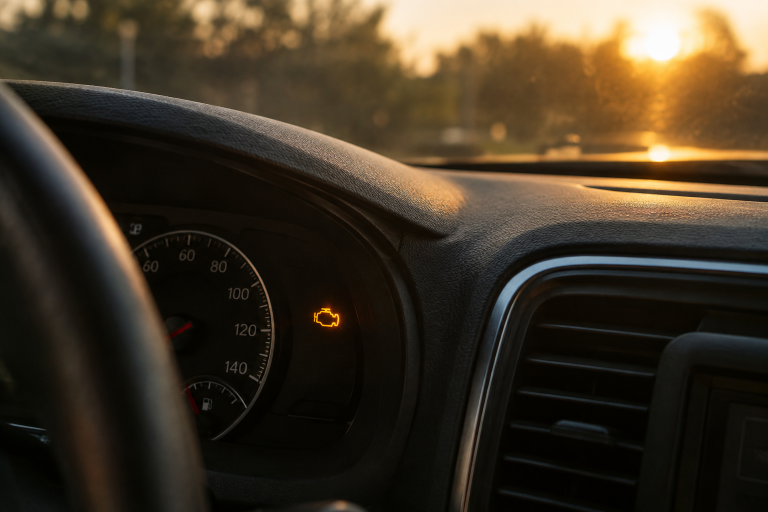
A flashing check-engine light, especially with rough running or loss of power, should be treated more urgently than a steady light. Pull over safely if the vehicle is overheating, smoking, losing braking ability, or running severely rough. Turning a warning light off with a scanner does not repair the underlying issue if the fault remains.

What Unusual Sounds Can Mean

Listen for Changes, Not Just Volume

A sound can provide a useful starting point, but it is not a diagnosis by itself. Squealing may involve a belt, brake components, or another rotating part. Grinding while braking can indicate brake wear or damage. Clicking during turns can be associated with drivetrain or steering-related parts, while humming that rises with road speed may come from tires, wheel bearings, or other rotating components.

Make a quick note of whether the sound changes with engine speed, vehicle speed, steering angle, braking, or road surface. For example, a noise that occurs only when applying the brakes points in a different direction than one that gets louder with speed, even when the vehicle is coasting.

Why Smells and Leaks Matter

New odors should not be ignored. A sweet smell can be associated with coolant, an oily smell may come from fluid contacting hot components, and a fuel smell can point to a condition that needs timely attention. A burning odor, visible smoke, or a strong fuel smell are reasons to park safely, turn off the vehicle when appropriate, and arrange further evaluation rather than continuing the trip.

Fresh spots beneath the vehicle can also be helpful clues. Place clean cardboard under a parked vehicle to see where a leak lands and whether it returns. Do not touch unknown fluids, open a hot cooling system, or crawl underneath a vehicle that is supported only by a jack.

Changes in Handling and Performance

Pulling to one side, steering-wheel vibration, bouncing after bumps, uneven tire wear, or a soft brake pedal can affect vehicle control. Poor acceleration, rough idle, delayed shifting, or repeated stalling may involve the engine, transmission, fuel system, or electronic controls. These symptoms should be noted after tire service, a hard road impact, or major temperature changes, but they should not be assumed to have one simple cause.

When to Stop Driving

  1. Stop driving when safe: Smoke, an overheating warning, a major fluid leak, loss of braking response, or a flashing check-engine light combined with rough operation.
  2. Arrange service soon: A steady warning light, worsening vibration, unusual shifting, repeated stalling, brake noise, or a tire-pressure warning that returns after inflation.
  3. Monitor closely: A one-time minor noise or a maintenance reminder with no changes in how the vehicle runs, while still following the vehicle’s maintenance schedule.

Why Diagnosis Comes Before Repair

Modern vehicles often need both electronic and mechanical testing. A diagnostic trouble code can indicate the system is reporting an issue, but it may not identify the failed component. A careful process can include a road test, visual inspection, fluid check, scan data, and targeted electrical or mechanical tests. Asking what was found, what was tested, and why a repair is recommended helps make the conversation clearer.

Preparing for a Repair Visit

  • Write down when the symptom first appeared and how often it occurs.
  • Take photos of warning lights, leaks, tire damage, or smoke when it is safe to do so.
  • Bring recent maintenance and repair records, along with the current mileage.
  • Mention recent tire work, road impacts, battery service, or changes in vehicle performance.
  • Ask whether the concern is urgent, routine, or safe to delay briefly.

Reducing Surprise Repairs

Preventive care cannot eliminate every failure, but it can uncover developing concerns earlier. Follow the maintenance schedule for the specific vehicle, check tire pressure when tires are cold, inspect tread for uneven wear or damage, and keep basic records for oil changes, brake work, tires, and repairs. The National Highway Traffic Safety Administration also allows drivers to check for unrepaired safety recalls using a vehicle identification number or license plate information.

Small changes are worth noticing. By documenting symptoms, responding appropriately to urgent warnings, and seeking a proper diagnosis when a concern persists, Mooresville drivers can make more informed choices about vehicle safety and repair needs.

Category: General | Comments Off on Vehicle Warning Signs Mooresville, North Carolina Drivers Should Not Ignore

How To Protect a Daily Driver From Sarasota, Florida Heat, Glare, and Road Wear

October1

Table of Contents

  1. Introduction
  2. Why Sarasota Is Tough on Daily Drivers
  3. Start With a Vehicle Inspection
  4. Control Cabin Heat and Glare
  5. Protect the Interior
  6. Reduce Paint Damage
  7. Check Tires, Wipers, and Rubber Parts
  8. Use a Safer Cleaning Routine
  9. Choose Upgrades by Need
  10. Common Questions
  11. A Simple Protection Checklist

Sarasota drivers deal with a demanding mix of bright Gulf Coast sun, sudden downpours, humid afternoons, beach sand, and busy stretches of U.S. 41 and I-75. Protecting a daily driver is less about buying every available upgrade and more about addressing the conditions the vehicle faces most often. For example, a ceramic coating for cars in Sarasota, FL can be one part of a broader plan for keeping exterior surfaces easier to clean after rain, salt air, and road grime.

A practical routine also helps preserve comfort and resale appeal. Small habits, including using a sunshade, promptly clearing bird droppings, checking tires, and washing sand away before it is rubbed into the paint, can make a noticeable difference over time.

Why Sarasota Is Tough on Daily Drivers

Florida weather puts pressure on nearly every exposed vehicle material. Direct sunlight can heat seats, steering wheels, dashboards, and glass. Humidity and rain leave mineral spots and grime behind. Near Siesta Key, Lido Key, and other coastal areas, airborne moisture and salt can collect on paint, wheels, and lower body panels. Construction debris, loose gravel, and sand also create more opportunities for chips and fine scratches.

Think in layers. Comfort measures protect occupants, maintenance items support safe driving, and surface protection helps limit cosmetic wear. Drivers comparing options for automotive ceramic coating near me should first decide whether their biggest issue is outdoor parking, stubborn contamination, paint chips, fading trim, or wet-weather visibility.

Start With a Vehicle Inspection

Before spending money on upgrades, walk around the vehicle in good daylight. This identifies the problems that need attention first and prevents cosmetic work from masking a maintenance issue.

  • Look for faded paint, oxidation, peeling clear coat, and chipped areas around the hood, bumper, and mirrors.
  • Check the dashboard, seats, door panels, and weather stripping for cracking, drying, or discoloration.
  • Inspect the glass for chips, haze, and wiper marks that reduce visibility during rain.
  • Review tire tread, sidewalls, and inflation pressure.
  • Test the air conditioner, battery, lights, wipers, and washer fluid.

Control Cabin Heat and Glare

Dark glass does not automatically provide the best heat control. When comparing window film, consider visible light transmission, infrared heat rejection, ultraviolet protection, glare reduction, and nighttime visibility. A lighter film with strong heat-rejection performance may be more comfortable and practical than a very dark option.

Photorealistic editorial shot of a clean, modern sedan parked in a bright Florida studio, with a fitted windshield sunshade, glossy, protected paint, clear windows, and subtle water droplets on the exterior; controlled, soft lighting; neutral light-gray background; isolated subject; polished commercial automotive photography.

Compliance matters, too. Before choosing film, review the current Florida rules for side-window sunscreening material and ask how factory glass affects the final measurement. Windshield treatments deserve extra caution because clear forward visibility is a safety issue.

Questions to Ask Before Selecting Film

  • Will the film improve comfort without compromising safe visibility?
  • Does it address ultraviolet exposure as well as glare?
  • Could it affect antennas, GPS, phone reception, or driver-assistance sensors?
  • Are care instructions, legal compliance information, and warranty terms provided in writing?

Protect the Interior From Sarasota Sun

A fitted windshield sunshade is one of the simplest daily tools for an outdoor-parked vehicle. Use it at work, near the beach, or while running errands, then park under cover when that is realistic. Clean leather, vinyl, plastic, and touchscreens only with products intended for those materials. Harsh household cleaners can leave trim dull, dry, or streaked.

Do not let wet towels, swimsuits, umbrellas, or sandy floor mats sit in the cabin. Shake out mats, dry damp items, and vacuum sand from seams and rails. These small steps reduce odors, staining, and abrasion on carpets and seat tracks.

Reduce Paint Damage From Sun, Rain, and Road Debris

Different products solve different exterior problems. Paint protection film is a physical barrier that can help defend high-impact areas from stone chips and light abrasion. Ceramic coatings are surface treatments that can make routine washing easier and improve water behavior. Wax and paint sealants are short-term options for drivers who want basic protection at a lower initial cost.

  • Older daily driver: Prioritize careful washing, targeted paint correction when appropriate, and a practical sealant.
  • New vehicle: Consider protecting the front bumper, hood edge, mirrors, and rocker panels before regular highway driving adds chips.
  • Long-term keeper: Use a layered plan that includes exterior care, interior protection, and frequent inspections.
  • Weekend vehicle: Focus on covered storage, controlled washing, and prompt removal of contaminants.

Check Tires, Wipers, and Rubber Parts

Heat and heavy rain turn routine maintenance into a safety priority. The recommended summer vehicle checks include checking tire pressure when tires are cold, inspecting tread and sidewalls, testing the battery, and replacing worn wiper blades. Use the pressure listed on the driver-door placard or in the owner’s manual, not the maximum pressure molded onto the tire.

Inspect tires monthly and before road trips. Look for uneven wear, cuts, bulges, cracking, or embedded debris. Replace wipers before Sarasota’s rainstorms reveal streaking or missed sections of glass, and have slow cranking or dimming lights checked before the battery fails.

Use a Safer Cleaning Routine

Sand and dry grime can act like abrasives when rubbed across paint. Rinse the vehicle thoroughly before touching it, wash from the top down with a clean microfiber mitt, and use separate brushes and towels for wheels. Dry promptly to reduce water spots, especially after an afternoon shower.

Bird droppings, tree sap, bug residue, and salt spray should be removed as soon as possible. Keeping a gentle detail spray and a clean microfiber towel in the trunk makes quick cleanup easier without turning every issue into a full wash.

Choose Upgrades by Need

  • Cabin heat: Start with a sunshade, then compare heat-rejecting film based on visibility and legal limits.
  • Paint chips: Protect high-impact areas that face highway debris and sandy roads.
  • Interior fading: Use a sunshade, material-specific cleaning products, and covered parking when available.
  • Wet-weather confidence: Inspect tires and install wipers that clear the windshield cleanly.
  • Frequent outdoor parking: Build a realistic schedule for washing, interior cleanup, and monthly inspections.

Common Questions About Florida Vehicle Care

Does darker window film always keep a car cooler?

No. Film construction and heat-rejection performance matter more than darkness alone. Preserve visibility while choosing a product that fits how and when you drive.

Is paint protection film the same as a ceramic coating?

No. Film is designed to provide a physical barrier against impacts and abrasion. A coating supports easier cleaning and water repellency, but it is not a substitute for impact protection.

How often should a vehicle be washed in Sarasota?

Wash based on exposure rather than a strict calendar. Clean the vehicle after coastal driving, extended outdoor parking, heavy grime, bird droppings, or visible salt residue.

A Simple Protection Checklist

  • Use a windshield sunshade when parking outdoors.
  • Remove salt, sand, sap, and bird residue quickly.
  • Check cold tire pressure at least monthly.
  • Replace weak wipers before they become a visibility problem.
  • Inspect paint, glass, trim, and rubber seals for early wear.
  • Choose window film based on heat control, visibility, and Florida requirements.
  • Protect high-impact paint areas if highway driving is common.
  • Keep a short written maintenance schedule and follow it consistently.

Vehicle care in Sarasota does not need to be complicated. A few well-chosen protections and consistent maintenance can keep a daily driver cooler, cleaner, safer, and easier to enjoy through Florida’s sun, rain, and coastal conditions.

Category: General | Comments Off on How To Protect a Daily Driver From Sarasota, Florida Heat, Glare, and Road Wear

Solving Cold-Weather Cure Swings with Powder Curing Ovens

September29

Cold weather can change a powder coating line long before anyone sees a problem on the oven controller. Lower part temperatures, colder make-up air, and longer warm-up periods can shift cure timing enough to cause soft coatings, uneven gloss, or slower production. Stable winter results come from tracking how the metal itself responds to heat, not simply whether the chamber reaches its setpoint.

Winter Changes the Starting Point of Every Cure Cycle

Steel brought in from a cold shop floor or loading area may begin a cycle dozens of degrees cooler than it would in summer, which increases the time needed to reach the required metal temperature. Seasonal adjustments should therefore focus on heat-up time rather than raising the cure temperature beyond the powder manufacturer’s instructions. Powder coating ovens perform more predictably when operators profile representative winter loads and build schedules around actual part temperature.

Why Does Cold Metal Stretch the Cure Cycle?

Thicker frames, castings, and heavy weldments hold more thermal mass, so winter conditions affect them more than thin sheet metal. Starting the cure timer when chamber air reaches its target can leave the center of a dense part below specification. Thermocouples attached to heavier sections show when the workpiece truly enters the coating’s required cure window.

Lighter components may reach temperature much sooner while neighboring heavy parts continue warming. Mixing both on the same rack can make the cycle harder to control and may lead operators to overbake thin parts just to protect heavier ones. Using Reliant powder coating ovens can support repeatable production, but grouping similar weights gives the equipment a steadier thermal load and makes batch timing easier to predict.

Door Openings Cost More Heat During Cold Months

Each door opening replaces part of the heated chamber air with colder shop air, while incoming carts and metal absorb additional energy. Frequent loading can extend recovery time even when the burner operates normally, especially if racks wait in an unheated staging area. Properly sizing a Reliant industrial powder coating oven around realistic batch weight and changeover frequency matters because winter heat recovery can directly affect the number of loads completed per shift.

Airflow Problems Become Easier to Spot in Winter

Poor circulation often becomes more obvious when parts enter colder because sheltered areas take longer to catch up. Large panels, packed racks, and boxed assemblies can redirect recirculated air and leave inner surfaces behind exposed sections. Clear gaps around the load give heated air a better path to corners, lower faces, and recessed areas instead of letting it return to the duct before the full batch warms evenly.

Fan condition, duct placement, door seals, and filter cleanliness also influence heat distribution. Weak circulation that seems manageable during mild weather can become a quality problem once winter increases thermal demand. Businesses reviewing Reliant powder coating equipment for sale can use oven-profile data to compare whether chamber size, burner capacity, and airflow suit the parts they actually run instead of judging equipment by interior dimensions alone.

The First Batch of the Day Deserves Extra Attention

Overnight shutdowns can leave the oven structure, carts, racks, and nearby staging area colder than they are later in the shift. Allowing the system to stabilize before production begins can reduce the difference between the first load and later cycles. Operating Reliant powder curing ovens with startup procedures that account for chamber stabilization, airflow, and cold handling hardware can make first-batch results more repeatable before normal timing begins.

How Should a Shop Verify Cure as the Seasons Change?

Temperature profiling gives production teams a direct comparison between warm-weather and winter performance instead of encouraging guesswork. Data loggers and thermocouples can record the heating curve of a real part, showing how long it takes to reach target metal temperature and how long it remains there. Recorded profiles also make it easier to adjust cycle time without changing the powder supplier’s specified cure temperature.

Routine checks can uncover conditions that cold weather makes more noticeable, including worn seals, sensor drift, weak burner response, or uneven recirculation. Selecting a Reliant powder coating equipment package can help coordinate oven capacity with booth output and material handling, while Reliant powder coating systems let businesses plan curing as part of the complete finishing line. Shops comparing a Reliant powder coating oven for sale can use winter profile data to see whether the current setup lacks capacity or simply needs tighter operating practices.

Building Conditions Can Be Part of the Cure Problem

Facility conditions matter because open dock doors, cold drafts, unheated staging zones, and large indoor temperature swings can change the starting point of every load. Moving coated parts through a more controlled path reduces variation before they enter the oven, while consistent staging helps operators compare batches fairly. Through Reliant Finishing Systems, manufacturers can evaluate Reliant powder coating equipment, Reliant powder coating ovens, and broader system options around real winter loads, airflow needs, utilities, recovery time, and production goals. Their guidance can also help a shop compare burner capacity, chamber dimensions, and expected winter throughput before cold-weather swings become an ongoing source of rework.

Category: General | Comments Off on Solving Cold-Weather Cure Swings with Powder Curing Ovens

Essential Factors to Consider Before Buying Auto Insurance

April3

Key Takeaways

  • Assess your driving habits and vehicle usage to determine appropriate coverage.
  • Understand how personal factors like age, location, and driving history affect premiums.
  • Evaluate different coverage options and their benefits.
  • Consider the financial implications of deductibles and premiums.
  • Research insurer reputation and customer service quality.

Finding the right auto insurance policy is an important decision every car owner must make. From understanding your coverage needs to comparing various insurers and discounts, being well-informed will empower you to choose the protection that suits your lifestyle and budget. With changes in driving habits, vehicle technology, and state regulations, taking the time to review your options has never been more pertinent.

As you weigh your options, keep in mind the different elements that come into play, from your personal driving record to the kinds of risks you face on the road. Not only should your auto insurance policy reflect your risk profile, but it should also provide a financial safety net in case the unexpected happens. Whether you drive daily or only occasionally, the right plan can offer peace of mind at a reasonable cost.

Most importantly, selecting the right coverage requires a thoughtful approach. Determining what sort of policy works for your unique needs and understanding the terms and limitations will help you prevent costly surprises. Take the time to review each policy feature, how deductibles and premiums are calculated, and the reputation of your chosen insurance provider.

For those who own a home, it is also worth considering bundling your policies, such as combining your auto plan with home insurance. Bundling can provide substantial savings and the convenience of working with just one insurance provider for multiple needs.

1. Assess Your Driving Habits and Vehicle Usage

Begin your search by thinking about how often and for what purposes you drive. Individuals with long commutes or those who frequently use their car for work should consider higher coverage limits, as they face increased exposure to risks. On the other hand, driving infrequently may allow you to save on premiums through reduced mileage policies. This assessment ensures that your policy offers sufficient protection without overpaying for unnecessary coverage.

2. Understand Personal Factors Affecting Premiums

Auto insurance providers use a variety of personal data to calculate your premium rates, including:

  • Age and Gender: Statistically, younger drivers and particularly males under 25 face higher premiums due to a higher risk of accidents.
  • Location: Premiums can be higher in urban environments where traffic and the likelihood of theft are greater. Rural areas often see lower rates but may have other considerations, such as wildlife-related incidents.
  • Driving Record: A clean record can help reduce your premium, while violations or previous claims can increase your insurance costs significantly.

Understanding how these factors influence your cost will help you plan ahead and look for ways to minimize unnecessary surcharges. More details on how your personal information can affect your rates can be found on Consumer Reports.

3. Evaluate Coverage Options

There are several types of auto insurance coverage. The essential ones to consider include:

  • Liability Coverage: Pays for the damages caused to others if you are responsible for an accident.
  • Collision Coverage: Covers the cost for damage to your own car from collisions, regardless of who is at fault.
  • Comprehensive Coverage: Protects against non-collision damages, such as theft, vandalism, or weather-related events.

Choosing which coverage to purchase often depends on personal finances and the value of your vehicle. For example, comprehensive coverage is especially important if you live in a region at high risk for natural disasters.

4. Consider Deductibles and Premiums

Deductibles are the amount you must pay yourself before insurance covers your claim. Selecting a higher deductible usually results in a lower premium, but you will also take on more out-of-pocket risk. It is important to strike a balance between a manageable monthly payment and a deductible you can afford in case of an accident.

For more information about how to make this decision, consult trusted automotive sources like NerdWallet.

5. Research Insurer Reputation and Customer Service

Not all insurers are equal in terms of reliability and service. Always check consumer ratings, read recent customer reviews, and compare claim settlement histories. A strong reputation and high claim satisfaction rates indicate a provider who will support you effectively when you need assistance most.

6. Look for Discounts and Bundling Opportunities

Insurance companies offer a variety of discounts, ranging from safe driver and good student discounts to discounts for vehicles with advanced safety technology or anti-theft devices. Additionally, many providers give you the option to bundle your auto insurance with other types of coverage, resulting in further savings and easier policy management.

7. Review Policy Exclusions and Limitations

Every insurance policy comes with specific exclusions, such as certain types of damage or restrictions on coverage amounts. Always review the fine print so that you are aware of what the policy truly covers. This ensures there are no surprises if you need to file a claim in the future.

8. Regularly Reassess Your Insurance Needs

Your circumstances may change over time. Moving, purchasing a new vehicle, or even changes to your daily commute can influence your ideal coverage. Make a habit of reviewing your policy annually or after any significant life events to ensure your insurance continues to meet your needs and provides suitable financial protection.

Choosing an auto insurance policy is an investment in your security behind the wheel. By considering all these factors and researching your options thoroughly, you will be better equipped to make effective insurance decisions that safeguard your finances and peace of mind.

Category: General | Comments Off on Essential Factors to Consider Before Buying Auto Insurance

How Preventive Auto Maintenance Saves Time and Money

March19

Key Takeaways

  • Early action on minor vehicle issues can prevent costly repairs later.
  • Routine maintenance adds years to your vehicle’s lifespan and helps retain its resale value.
  • Proper care means better fuel economy, resulting in savings at the pump.
  • Scheduled check-ups and repairs reduce unwelcome surprises and time lost to breakdowns.


Preventive auto maintenance is an essential part of responsible vehicle ownership, helping to ensure that your car runs safely and efficiently for years to come. Regular check-ups and routine services, such as oil changes, tire rotations, and fluid inspections, can catch minor issues before they become major problems. By staying proactive, drivers can avoid unexpected breakdowns and costly emergency repairs, making both daily commutes and long trips more reliable. Beyond safety, preventive maintenance also helps preserve your vehicle’s overall value, reducing depreciation and extending its lifespan.

One critical area often overlooked is brake care. Timely attention to brake repair, whether through inspections or pad replacements, can prevent more serious and expensive damage down the line. Addressing these small but essential repairs early saves not only money but also time that would otherwise be spent dealing with emergency services. Ultimately, consistent preventive maintenance provides peace of mind while keeping your vehicle performing at its best.


Avoiding Costly Repairs

Catching small problems early is the key to preventing much larger (and more expensive) repairs. For example, a cracked hose or belt can be replaced during a routine inspection for a modest cost. If ignored, these components could cause overheating or engine failure, potentially requiring thousands of dollars in repairs. Mechanics at a trusted automotive shop often identify worn parts or leaks during scheduled service, giving you a chance to fix them before they worsen. Regular preventive maintenance at a reputable shop is consistently less expensive than the price of major repairs resulting from neglect.


Extending Vehicle Lifespan

Repeated small actions add up to significant results when it comes to keeping your car on the road. Simple tasks such as regular oil changes, tire rotation and balancing, and ensuring correct fluid levels reduce the wear on each component. Neglected vehicles accumulate issues that can lead to permanent damage, whereas a well-maintained vehicle will often outlast the national average for car lifespan. Keeping up with maintenance can also boost your vehicle’s resale price should you decide to upgrade in the future.


Improving Fuel Efficiency

Getting more miles per gallon benefits both your budget and the environment. Under-inflated tires or clogged air filters force your vehicle to consume more fuel just to operate normally. Simple steps like monitoring tire pressure and changing filters at recommended intervals can make a noticeable difference. The U.S. Department of Energy notes that maintaining the correct tire pressure can improve gas mileage by up to three percent. When added up over months or years, these savings can be substantial.


Enhancing Safety

Safety should always be a top priority for vehicle owners. Keeping brakes, tires, and lights in optimal condition means you can always rely on your car when it matters most. Brake inspections and repairs are especially important for avoiding hazardous situations on the road, such as sudden stops or slippery conditions. Regularly checking other systems, like headlights and windshield wipers, further boosts your confidence that your car will respond well in emergencies and protect all passengers on board.


Reducing Unexpected Breakdowns

Getting stranded on the side of the road due to an avoidable mechanical failure can be stressful and even dangerous. With preventive maintenance, you can significantly reduce the likelihood of this scenario. Mechanics can catch issues like weak batteries, tire wear, or low transmission fluid levels well before they become emergencies. This leads to fewer interruptions to your daily schedule and a much lower risk of costly tow services or emergency repairs. A reliable car means less wasted time and greater flexibility in your day.


Predictable Budgeting

Regular maintenance visits help you anticipate and evenly spread car expenses, rather than being hit with large, unexpected bills. For example, knowing when tires, brakes, or fluids will need attention lets you plan ahead and avoid dipping into emergency savings. Maintenance schedules are especially useful for families or anyone on a strict budget, as recommended service intervals spread costs out over time. This makes overall car ownership much less stressful and easier to budget for in the long term.


Key Preventive Maintenance Tasks

Building an effective maintenance routine starts with a few crucial tasks:

  • Regular Oil Changes: Keep the engine running efficiently and prevent internal damage.
  • Tire Maintenance: Rotating, balancing, and maintaining proper pressure prevents uneven wear and potential blowouts.
  • Brake Inspections: Confirms your braking system is responsive and safe, reducing accident risk.
  • Fluid Checks: Monitoring coolant, brake, transmission, and power steering fluids helps maintain the overall health of the vehicle.
  • Filter Replacements: Regularly changing air and fuel filters for proper engine function and performance.

Following manufacturer-recommended intervals for these tasks, or having them done at a professional automotive shop, ensures you cover all the critical areas of preventive maintenance for your vehicle.


Conclusion

Proactive car care is a valuable habit for any vehicle owner. Through regular check-ups, scheduled part replacements, and attention to detail, you can drastically reduce the risk of major breakdowns and keep maintenance costs under control. A small investment of time and money today can protect you from unexpected repairs and prolonged vehicle downtime. Making preventive maintenance a priority will ensure safer drives, greater reliability, and lower expenses over the life of your automobile.

Category: General | Comments Off on How Preventive Auto Maintenance Saves Time and Money

Top Tips for Buying a Quality Used Car from Dealerships

April11

Table of Contents:

  1. Key Takeaways
  2. Introduction
  3. Doing Your Homework
  4. Understanding Vehicle History
  5. Evaluating the Car’s Condition
  6. Discussing Warranty and Dealer Guarantees
  7. Securing Financing and Insurance
  8. Negotiating the Price

Key Takeaways:

  • Research and compare vehicles to find the best match for your needs.
  • Inspect the vehicle’s history report and maintenance records.
  • Assess the car’s condition through a test drive and a mechanic’s inspection.
  • Understand warranty coverage and seek clear dealer guarantees.
  • Arrange financing options and insurance before finalizing your purchase.
  • Learn effective negotiation techniques to obtain a favorable deal.

Introduction

Embarking on the journey to purchase a pre-owned car can be both exhilarating and daunting. However, finding a great vehicle at Mechanicsburg used car dealerships with due diligence and guidance can be a smooth and successful venture. The following tips equip you with the knowledge to confidently navigate the waters of buying a used car from a dealership.

Doing Your Homework

Begin your search by listing out your needs, preferences, and budget. Use online resources to compare different models, read reviews, and check out pricing guides. Knowing the market value of the car you’re interested in will give you solid ground for later negotiation.

Understanding Vehicle History

A thorough review of the vehicle history report is indispensable. Look for any past accidents, title problems, and service records. This step will help you gauge the car’s reliability and give you insight into potential future expenses.

Evaluating the Car’s Condition

When you have zeroed in on a potential purchase, take it for a test drive to check its comfort level and performance. It’s also wise to have the car inspected by an independent mechanic to detect any underlying problems that may not be immediately apparent.

Discussing Warranty and Dealer Guarantees

Used cars often come with limited warranty coverage. Ask the dealer about the warranty terms and whether extended coverage is available. This can protect you from unexpected repair costs soon after purchase.

Securing Financing and Insurance

Before stepping into the dealership, securing financing from your bank or credit union is beneficial. Understanding your insurance options beforehand is also crucial as it affects the total cost of vehicle ownership.

Negotiating the Price

With thorough research and preparation, you can confidently negotiate the price. Feel free to ask for a better deal, and be prepared to walk away if the terms don’t meet your satisfaction. The right deal is out there waiting for you with patience and persistence.

Following these tips and leveraging resources such as EPA’s guidelines on fuel-efficient vehicles and informative articles can greatly enhance your car-buying experience. By arriving at the dealership well-informed and with a clear plan, you will increase your chances of driving away happy in a quality used car that meets your needs and your budget.


Category: General | Comments Off on Top Tips for Buying a Quality Used Car from Dealerships

Versatility of Plasticiser ASE

April9

In the realm of modern materials engineering, adaptability and versatility reign supreme. Among the myriad components that contribute to the functionality and flexibility of materials, plasticiser ASE stands out as a true champion of innovation. This multifaceted compound, renowned for its diverse applications, plays a pivotal role in shaping numerous industries, from automotive to construction. Let’s delve into the world of plasticiser ASE and uncover its remarkable versatility.

At the heart of the automotive industry lies a demand for durability, resilience, and aesthetic appeal. Here, plasticiser ASE emerges as a cornerstone ingredient in the creation of leather films, essential for upholstering interiors with sophistication and style. From luxurious car seats to sleek dashboard coverings, these films imbue automotive interiors with a touch of elegance while ensuring longevity and resistance to wear and tear.

However, the automotive sector is just one facet of plasticiser ASE’s vast utility. Plastic liners, another essential application, find their way into a myriad of industrial settings. These liners, fortified with plasticiser ASE, serve as protective barriers, safeguarding surfaces from corrosive chemicals, moisture, and abrasion. From containment ponds to chemical processing plants, these robust liners provide peace of mind, ensuring the integrity of critical infrastructure.

Beyond automotive and industrial applications, plasticiser ASE finds a home in the realm of construction, where its versatility truly shines. Profiles crafted with plasticiser ASE boast exceptional weather and alkali resistance, making them indispensable in architectural endeavors. Whether adorning skyscrapers with sleek façades or fortifying infrastructure against the elements, these profiles stand as testaments to the enduring legacy of plasticiser ASE.

Moreover, the advent of blown films has revolutionized packaging and insulation solutions across industries. Here, too, plasticiser ASE plays a vital role, imparting flexibility and strength to these films. From food packaging to agricultural mulches, blown films fortified with plasticiser ASE offer unparalleled performance, preserving freshness and protecting goods with unwavering reliability.

Innovation knows no bounds, and neither does plasticiser ASE. The realm of connectors and fittings bears witness to this truth, as these essential components rely on plasticiser ASE for enhanced resilience and longevity. Whether in plumbing systems or electrical installations, connectors fortified with plasticiser ASE ensure seamless functionality and enduring performance, even in the most demanding environments.

As we marvel at the diverse applications of plasticiser ASE, it becomes evident that its impact transcends individual industries. Its role as a facilitator of innovation extends far beyond the realms of automotive, construction, and packaging. Rather, it serves as a catalyst for progress, empowering engineers and designers to push the boundaries of what’s possible.

Yet, amidst the accolades and achievements, challenges persist. Environmental concerns loom large in today’s conscientious landscape, prompting a reevaluation of materials and processes. In this regard, the quest for sustainable alternatives to traditional plasticisers has gained momentum. While plasticiser ASE has undoubtedly contributed to advancements in various industries, its environmental footprint remains a topic of scrutiny and debate.

Plasticiser ASE stands as a testament to the ingenuity and adaptability of modern materials engineering. From automotive interiors to industrial liners, from construction profiles to blown films, its versatility knows no bounds. As we navigate the complexities of a rapidly evolving world, one thing remains clear: the legacy of plasticiser ASE as a driver of innovation is destined to endure.

Category: General | Comments Off on Versatility of Plasticiser ASE

The Allure of Supercars

February16

Supercars are the pinnacle of automotive engineering and craftsmanship. These high-performance vehicles are designed to push the boundaries of speed, power and technological advancement. Some of the most well-known and sought-after supercars include Ferrari, Lamborghini, McLaren and Bugatti. From their iconic designs to their impressive horsepower, supercars continue to captivate auto enthusiasts around the world.

Ferrari is known for producing some of the most elegant and exotic supercars on the market. From the sleek lines of the 488 GTB to the raw energy of the F12tdf, each Ferrari model is unique in its own right. Lamborghini, on the other hand, is infamous for its aggressive and angular designs. The Aventador and Huracan models are known for their distinctive scissor doors and bold styling. McLaren is a relatively new player in the supercar game, but that hasn’t stopped them from making waves with their impressive engineering and sleek designs. The McLaren 720S and 570S are both standout models that offer drivers an incredible driving experience. Lastly, the Bugatti Veyron and Chiron are absolute behemoths when it comes to supercars. With top speeds of over 250 mph, these vehicles are at the forefront of speed and performance.

However, owning a supercar isn’t all fun and games. These vehicles come with a hefty price tag and require more maintenance than a regular car. This is where supercar insurance comes in. Like any other vehicle, supercars need to be insured in case of an accident or theft. However, the cost of insurance for a supercar can be significantly higher due to the high value of the vehicle and the increased risk of accidents. Supercar insurance policies also typically provide more coverage than a basic car insurance policy. This can include coverage for specialized parts and equipment, as well as coverage for events and track days.

Before purchasing a supercar, it’s important to consider the cost of insurance and factor it into your overall budget. It’s also important to find an insurance provider that specializes in supercars and has experience insuring high-value vehicles. This will ensure that your supercar is properly protected in case of any unforeseen incidents.

Supercars are some of the most extraordinary vehicles on the road today. From their stunning designs to their impressive performance capabilities, they are sure to turn heads wherever they go. However, owning a supercar also comes with additional responsibilities, including the need for specialized insurance coverage. By choosing the right insurance policy for your supercar, you can ensure that you’re protected in case of any unforeseen incidents and can enjoy the thrill of owning and driving one of these incredible vehicles.

Category: General | Comments Off on The Allure of Supercars

Preparing Your Vehicle for Cross-Country Shipping

February14


Image Source: autotransportaat.com

Shipping your car across the country is a significant undertaking, and proper preparation is key to ensuring a smooth and stress-free experience. From cleaning your vehicle to documenting its condition, there are several important steps to take before handing it over to the shipping company. In this blog, we’ll provide a comprehensive guide to preparing your vehicle for cross-country shipping, covering everything from essential maintenance tasks to packing considerations.

Cleaning Your Vehicle:
Before shipping your car across the country, it’s essential to give it a thorough cleaning both inside and out. Start by washing the exterior of your vehicle to remove dirt, dust, and debris that could potentially scratch the paint during transit. Pay special attention to the wheels, undercarriage, and any other areas prone to accumulating grime. Next, clean the interior of your car, removing any personal belongings and vacuuming the floors and seats. Not only will a clean vehicle make a better impression upon arrival, but it will also make it easier to inspect for any damage that may occur during transit.

Documenting Your Vehicle’s Condition:
Documenting the condition of your vehicle before shipping is crucial for ensuring that any damage incurred during transit is properly accounted for. Take detailed photographs of your car from all angles, making sure to capture any existing scratches, dents, or other imperfections. It’s also a good idea to note any mechanical issues or pre-existing damage in writing and provide this information to the shipping company. By documenting your vehicle’s condition before shipping, you’ll have evidence to support any insurance claims in the event of damage during transit.

Addressing Mechanical Issues:
Before shipping your car across the country, it’s important to address any mechanical issues that could potentially cause problems during transit. Schedule a maintenance check-up with a qualified mechanic to ensure that your vehicle is in good working order. This includes checking fluid levels, tire pressure, brakes, and other essential components. If your car requires any repairs or servicing, it’s best to take care of them before shipping to minimize the risk of breakdowns or other issues during transit. Additionally, make sure to disable any aftermarket alarms or anti-theft devices to prevent them from being triggered during shipping.

Packing Considerations:
While most auto transport companies require that you remove all personal belongings from your vehicle before shipping, there are a few packing considerations to keep in mind. It’s a good idea to remove any loose items from the interior of your car, including floor mats, air fresheners, and electronics. If you have a roof rack or bike rack attached to your vehicle, consider removing them to prevent damage during transit. Finally, make sure to empty the gas tank to no more than a quarter full and disconnect the battery to prevent drainage during shipping.

Conclusion:
By following these essential steps to prepare your vehicle for cross-country shipping, you can help ensure a smooth and stress-free experience. From cleaning and documenting your vehicle’s condition to addressing mechanical issues and packing considerations, proper preparation is key to ensuring that your car arrives safely at its destination. With a little foresight and attention to detail, you can set yourself up for a successful cross-country move and enjoy peace of mind knowing that your vehicle is in good hands.

Category: General | Comments Off on Preparing Your Vehicle for Cross-Country Shipping