
How Preventive Auto Maintenance Saves Time and Money
Key Takeaways
- Early action on minor vehicle issues can prevent costly repairs later.
- Routine maintenance adds years to your vehicle’s lifespan and helps retain its resale value.
- Proper care means better fuel economy, resulting in savings at the pump.
- Scheduled check-ups and repairs reduce unwelcome surprises and time lost to breakdowns.
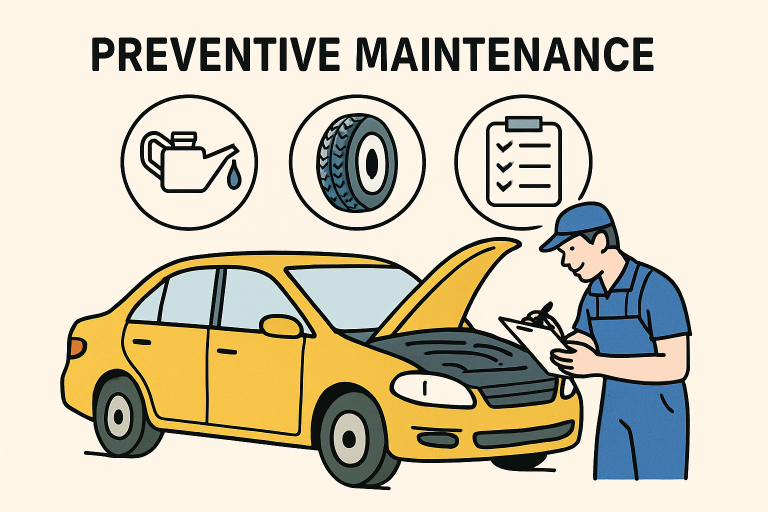
Preventive auto maintenance is an essential part of responsible vehicle ownership, helping to ensure that your car runs safely and efficiently for years to come. Regular check-ups and routine services, such as oil changes, tire rotations, and fluid inspections, can catch minor issues before they become major problems. By staying proactive, drivers can avoid unexpected breakdowns and costly emergency repairs, making both daily commutes and long trips more reliable. Beyond safety, preventive maintenance also helps preserve your vehicle’s overall value, reducing depreciation and extending its lifespan.
One critical area often overlooked is brake care. Timely attention to brake repair, whether through inspections or pad replacements, can prevent more serious and expensive damage down the line. Addressing these small but essential repairs early saves not only money but also time that would otherwise be spent dealing with emergency services. Ultimately, consistent preventive maintenance provides peace of mind while keeping your vehicle performing at its best.
Avoiding Costly Repairs
Catching small problems early is the key to preventing much larger (and more expensive) repairs. For example, a cracked hose or belt can be replaced during a routine inspection for a modest cost. If ignored, these components could cause overheating or engine failure, potentially requiring thousands of dollars in repairs. Mechanics at a trusted automotive shop often identify worn parts or leaks during scheduled service, giving you a chance to fix them before they worsen. Regular preventive maintenance at a reputable shop is consistently less expensive than the price of major repairs resulting from neglect.
Extending Vehicle Lifespan
Repeated small actions add up to significant results when it comes to keeping your car on the road. Simple tasks such as regular oil changes, tire rotation and balancing, and ensuring correct fluid levels reduce the wear on each component. Neglected vehicles accumulate issues that can lead to permanent damage, whereas a well-maintained vehicle will often outlast the national average for car lifespan. Keeping up with maintenance can also boost your vehicle’s resale price should you decide to upgrade in the future.
Improving Fuel Efficiency
Getting more miles per gallon benefits both your budget and the environment. Under-inflated tires or clogged air filters force your vehicle to consume more fuel just to operate normally. Simple steps like monitoring tire pressure and changing filters at recommended intervals can make a noticeable difference. The U.S. Department of Energy notes that maintaining the correct tire pressure can improve gas mileage by up to three percent. When added up over months or years, these savings can be substantial.
Enhancing Safety
Safety should always be a top priority for vehicle owners. Keeping brakes, tires, and lights in optimal condition means you can always rely on your car when it matters most. Brake inspections and repairs are especially important for avoiding hazardous situations on the road, such as sudden stops or slippery conditions. Regularly checking other systems, like headlights and windshield wipers, further boosts your confidence that your car will respond well in emergencies and protect all passengers on board.
Reducing Unexpected Breakdowns
Getting stranded on the side of the road due to an avoidable mechanical failure can be stressful and even dangerous. With preventive maintenance, you can significantly reduce the likelihood of this scenario. Mechanics can catch issues like weak batteries, tire wear, or low transmission fluid levels well before they become emergencies. This leads to fewer interruptions to your daily schedule and a much lower risk of costly tow services or emergency repairs. A reliable car means less wasted time and greater flexibility in your day.
Predictable Budgeting
Regular maintenance visits help you anticipate and evenly spread car expenses, rather than being hit with large, unexpected bills. For example, knowing when tires, brakes, or fluids will need attention lets you plan ahead and avoid dipping into emergency savings. Maintenance schedules are especially useful for families or anyone on a strict budget, as recommended service intervals spread costs out over time. This makes overall car ownership much less stressful and easier to budget for in the long term.
Key Preventive Maintenance Tasks
Building an effective maintenance routine starts with a few crucial tasks:
- Regular Oil Changes: Keep the engine running efficiently and prevent internal damage.
- Tire Maintenance: Rotating, balancing, and maintaining proper pressure prevents uneven wear and potential blowouts.
- Brake Inspections: Confirms your braking system is responsive and safe, reducing accident risk.
- Fluid Checks: Monitoring coolant, brake, transmission, and power steering fluids helps maintain the overall health of the vehicle.
- Filter Replacements: Regularly changing air and fuel filters for proper engine function and performance.
Following manufacturer-recommended intervals for these tasks, or having them done at a professional automotive shop, ensures you cover all the critical areas of preventive maintenance for your vehicle.
Conclusion
Proactive car care is a valuable habit for any vehicle owner. Through regular check-ups, scheduled part replacements, and attention to detail, you can drastically reduce the risk of major breakdowns and keep maintenance costs under control. A small investment of time and money today can protect you from unexpected repairs and prolonged vehicle downtime. Making preventive maintenance a priority will ensure safer drives, greater reliability, and lower expenses over the life of your automobile.